For many elderly Muslims, Hajj is the journey they have been waiting their whole lives to make. Some have been saving for decades. Some made a promise to themselves years ago.
That feeling is real, and it is beautiful. But it needs to be matched with equally real and careful preparation. Because Hajj is demanding for any pilgrim, and for older pilgrims, it requires a level of planning that goes beyond what many families initially anticipate.
This guide is written plainly and honestly, for elderly pilgrims themselves and for the family members helping them prepare. No unnecessary complexity. Just practical guidance that actually helps.
First: Know Whether You Are Medically Eligible
Saudi authorities have specific medical conditions that can prevent a pilgrim from receiving a Hajj visa in 2026. These include advanced heart failure, kidney failure requiring dialysis, severe chronic lung disease requiring continuous oxygen, advanced liver disease, and severe dementia or cognitive decline.
Temperatures during Hajj 2026 will regularly reach 45°C and above. The physical demands of the pilgrimage, even with all the accessibility improvements, are significant. For someone with serious uncontrolled conditions, Hajj can genuinely become life-threatening.
Be honest about the elder’s full medical history. Let the doctor assess whether travel is safe, whether any medications need adjusting, and what specific precautions are needed. This conversation could save a life. It could also give the green light with greater confidence and peace of mind.
What this visit should cover:
- Full cardiovascular assessment if there is any history of heart problems
- Blood pressure and blood sugar review for those with hypertension or diabetes
- Respiratory check for anyone with asthma or COPD
- A complete review of all current medications
- Vaccinations: the Meningococcal ACWY vaccine is mandatory and must be received at least 10 days before arriving in Saudi Arabia
The Companion Question: Do Not Travel Without One
Many Hajj missions and operators strongly recommend that elderly pilgrims travel with a physically fit companion. This is not an insult to the elder’s independence. It is a practical necessity.
During the busiest days of Hajj (particularly the movement between Mina, Arafat, and Muzdalifah), millions of people are moving through the same spaces at the same time. An elderly person who becomes unwell, confused, or simply exhausted in that environment without someone at their side faces a genuinely dangerous situation.
A good companion does several things. They help with ihram clothing and ablutions. They assist with mobility between sites. They carry medications and documents. They perform proxy stoning at Jamarat if the elder is unable. And perhaps most importantly, they stay calm when the elder cannot.
If a family member cannot travel as a companion, speak with your Hajj operator. Some organised group packages include dedicated support staff for elderly pilgrims. Choose a tour operator that has explicit experience catering for older and less mobile pilgrims.
Understand the Ritual Concessions Available to You
This is genuinely good news, and it is one of the things elderly pilgrims and their families often do not know about in advance.
Islamic law has a concept called rukhsa – a formal concession or dispensation for those whose physical condition makes the standard form of a ritual genuinely difficult. These concessions are well-established in Islamic jurisprudence and are fully valid. Your Hajj is not diminished by using them. They exist precisely because Islam does not ask of you what you cannot give.
Here are the key concessions relevant to elderly pilgrims:
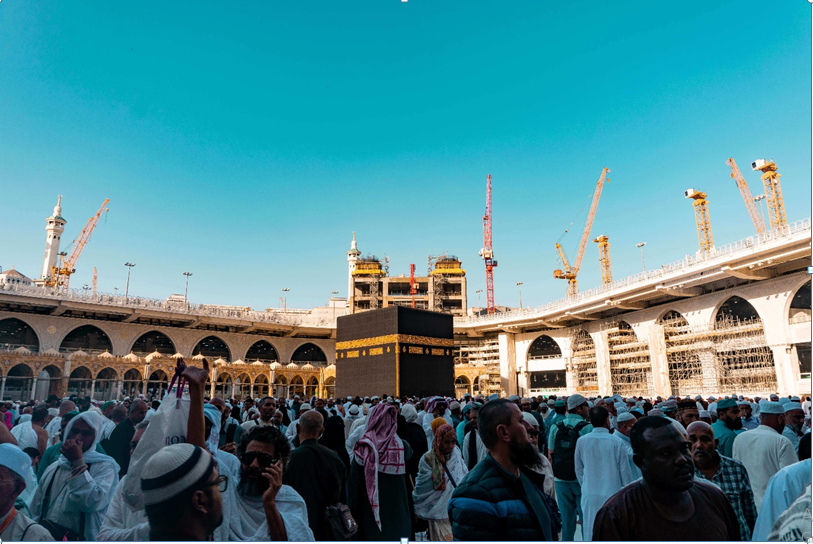
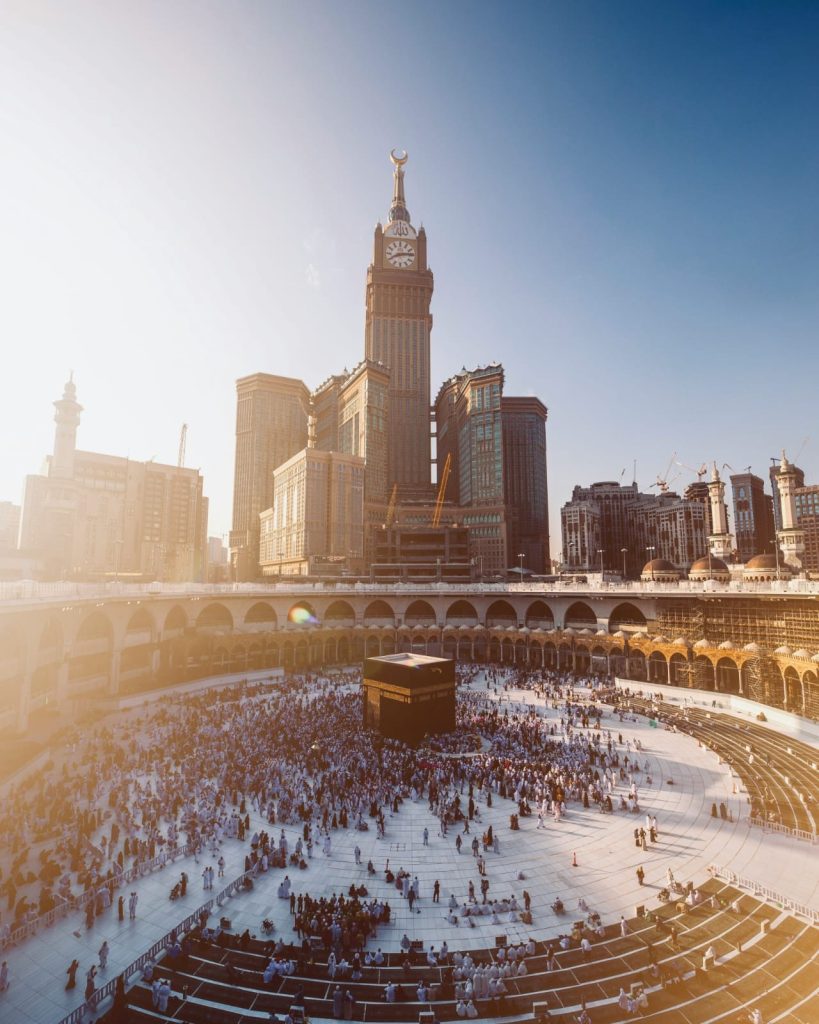
Tawaf (circumambulation of the Kaaba): The ground floor of the Grand Mosque is the most crowded area of the entire pilgrimage. Elderly pilgrims and wheelchair users are actively encouraged to perform Tawaf on the upper floors.
The Saudi authorities have expanded the Mataf to 25 paths, with four specifically allocated for elderly pilgrims and people of determination. The ritual is completely valid from the first floor, second floor, or rooftop, and the experience is far safer.
Stoning at Jamarat: If an elderly pilgrim is physically unable to perform the stoning themselves, their companion can do it on their behalf as a proxy. The companion completes their own stoning first, then performs the stoning for the elderly pilgrim. This is a well-established and accepted concession.
Muzdalifah overnight stay: Spending the night at Muzdalifah is one of the most physically taxing parts of Hajj, involving sleeping outdoors in a large crowd. Elderly and infirm pilgrims, along with their companions, are permitted to leave Muzdalifah after midnight rather than waiting until Fajr. This significantly reduces the physical burden of that night.
Sa’i (walking between Safa and Marwa): The Sa’i corridor now operates across four levels with designated paths and assistance for elderly pilgrims. Wheelchairs and mobility aids are available.
Speak with a knowledgeable scholar or imam before you travel to understand which concessions apply to your specific situation and school of thought. But do not let embarrassment or a desire to “do it all perfectly” push you into physical risk that the religion itself does not require of you.
Mobility Services and Accessibility on the Ground
The infrastructure for elderly and less mobile pilgrims at the holy sites has improved significantly in recent years, and 2026 brings further enhancements. Knowing what is available helps you plan and reduces anxiety about how things will work in practice.
At Masjid al-Haram (the Grand Mosque, Mecca):
- Manual wheelchairs can be hired from collection points around the courtyard, free of charge if you bring your UK Blue Badge
- Electric wheelchairs and mobility scooters are available through the Tanaqol app, which allows pre-booking by the hour or for the full pilgrimage period
- Ramps, elevators, and escalators serve all floors
- Trained staff and volunteers are stationed throughout to assist
- Dedicated prayer areas exist for elderly and less mobile pilgrims
- Electric carts run between certain gates for those who cannot walk the distances
At Masjid an-Nabawi (the Prophet’s Mosque, Medina):
- Wheelchair hire points are marked on the mosque map
- Similar ramp and elevator access throughout
Across Mina, Arafat and Muzdalifah:
- AI-powered crowd monitoring is in place for 2026, with real-time density tracking
- Saudi Red Crescent ambulances are stationed across all sites
- Green crescent signage marks medical posts and mobile clinics
- Colour-coded crowd monitoring boards at mosque entrances help pilgrims avoid peak density areas
One important practical note: wheelchair availability on the ground, particularly during the busiest ritual days, can be limited. If your elder has their own lightweight wheelchair or folding walking aid, bring it. Do not rely solely on hire services during peak times.
Medication: Get This Right Before You Leave
Medication management for elderly pilgrims is one of the areas where poor preparation causes the most problems.
Always carry medications in hand luggage, never in hold baggage. Suitcases get lost. Medication needs to travel with the person.
Keep medications in the original packaging. Saudi customs officials may question medications in unlabelled containers. Original packaging with clearly readable labels avoids problems at the border.
Bring more than you think you will need. Pack enough for the full trip plus an additional two weeks. Pharmacies in Mecca and Medina are generally well-stocked, but finding an exact international equivalent of a UK medication under pressure is stressful and not something you want to be dealing with during Hajj.
Common medications elderly pilgrims typically need to review with their GP before travel:
- Blood pressure medications (some may need adjusting in extreme heat)
- Blood thinners or anticoagulants
- Diabetes medications — insulin storage in heat requires special planning
- Heart medications
- Inhalers for asthma or COPD
- Joint pain or arthritis medications
If the elder takes insulin, speak with their GP specifically about storage. Insulin must be kept within a certain temperature range. Portable cool bags designed for medication travel are available and worth investing in.
Packing Specifically for Elderly Pilgrims
The principle for all pilgrims is to pack light. For elderly pilgrims, the principle is to pack smart.
What elderly pilgrims specifically need beyond the standard list:
- Lightweight folding walking stick or cane with a rubber tip
- Compression stockings — these significantly reduce leg swelling during long periods of standing and walking in heat
- Extra cushioning insoles for footwear
- Easy-on, easy-off clothing with elastic waists — fastenings that are hard to manage become genuinely frustrating when you are hot, tired, and rushing between rituals
- A comfortable, well-broken-in pair of sandals (for men in ihram) or shoes — never new footwear
- A cooling towel or small portable fan
- High-factor sunscreen and a lightweight hat or umbrella
- Electrolyte sachets for adding to water — these help significantly in preventing dehydration-related fatigue
- A medical alert card in the pilgrim’s wallet or bag, listing their conditions and medications
Read More: Hajj Packing List 2026
Staying Safe in the Heat
Elderly pilgrims are at significantly higher risk of heat exhaustion and heatstroke than younger pilgrims. The body’s ability to regulate temperature becomes less efficient with age, and many medications commonly taken by older people can compound this risk.
The rules for heat safety are simple, but they need to be actively followed, not just read:
- Drink small amounts of water constantly throughout the day, not just when thirsty. Thirst is already a sign of dehydration at that level of heat
- Add electrolyte sachets to water periodically — water alone is not enough in extreme heat
- Stay in shade or air conditioning during the hottest hours (roughly 11am to 3pm) wherever ritually possible
- Use a quality umbrella when outdoors — this is not optional for elderly pilgrims
- Wear loose, light-coloured, breathable clothing
- Know the warning signs of heat exhaustion: heavy sweating, weakness, dizziness, pale skin, nausea
If an elder stops sweating but feels intensely hot, confused, or disoriented, that is heatstroke, which is a medical emergency. Call for help immediately. Saudi Red Crescent staff and mobile medical units are positioned across all sites specifically for this.
A Final Word for Families
If you are reading this as someone helping an elderly parent, grandparent, or relative prepare for Hajj, your role is invaluable. The most important things you can do are: help them access the right medical advice well in advance, make sure their documentation is complete and accessible, and help them choose a tour operator with genuine experience of elderly pilgrim needs.
May Allah make the journey easy, accept the pilgrimage, and return your loved one home safely and spiritually transformed. Ameen.
Buy Your Hajj Essentials at Riwaya
Explore our wide collection of Hajj Essentials, prayer clothing and Hajj Mubarak gifts and more at Riwaya! Top rated sellers with best prices online.